
Hannes Geldenhuys
Feb 11, 2026
Delivery Models
Interactive Content: Does AI Spell The End Of The SCORM Package?
The latest generation of AI coding tools from Google , OpenAI , and Anthropic are remarkable. There's no two ways about it: what these tools can accomplish in front-end coding tasks is incredible, and it's getting better by the day.
The SCORM package is now a two-decade-old default for embedding rich learning content into an LMS. It often requires external authoring tools, specialist skills, and unexpected licence fees. So does AI coding spell the end of this staple of the e-learning industry?
In our opinion, at this very moment: no. The possibilities for creating rich HTML5 content have certainly been revolutionised, but there's a big chasm between "one-shot vibe-coding" something that looks nice and a properly built content asset.
Understanding interactivity levels
Not all interactive content is created equal. A useful way to think about this is the four levels of e-learning interactivity:
Passive: page-turners with next-and-back buttons
Limited participation: drill-and-practice with response-specific feedback
Complex participation: branching scenarios, simple simulations, variable-driven logic
Real-time participation: immersive simulations, virtual reality
Source: Development of Interactive Multimedia Instruction Handbook and Lindsay O'Neill via her blog.
AI coding tools today can comfortably produce Level 1 and Level 2 content in a single prompt. A quiz, a drag-and-drop activity, an interactive timeline — these are well within reach. Level 3 is where it gets interesting: AI can handle complex logic and branching, but it requires careful specification and iterative development rather than a single prompt.
Established authoring tools like Articulate Storyline Developer and Adobe Captivate still have the edge here because they make that complexity manageable for non-developers. Level 4 (immersive, real-time simulations) is where all of these tools hit their limits, and where dedicated software development resources have always been needed.
The technical plumbing still matters
Even at the lower interactivity levels, there's a difference between a nice-looking HTML page and a properly integrated learning object. To achieve SCORM-package-level refinement, you still need to cater for:
Connecting to the LMS
Save and resume capability
Navigation UI
Syncing audio with animations
Keyboard and screen reader support
Grading and scoring math
The best way to think about AI tools for interactive content is as a software development resource. You still have to provide detailed functional and technical specifications to achieve the outcome you want, and most learning designers aren't writing software specs.
Where AI makes sense right now
Where AI really shines is in extending possibilities beyond what popular authoring tools can achieve. Interactive games, data visualisations, and custom simulations, like the incredible physics simulations by PhET Interactive Simulations, University of Colorado Boulder, are the kind of content that previously required a dedicated development team. AI lowers that barrier significantly, and we're excited to see what gets created in the year ahead.
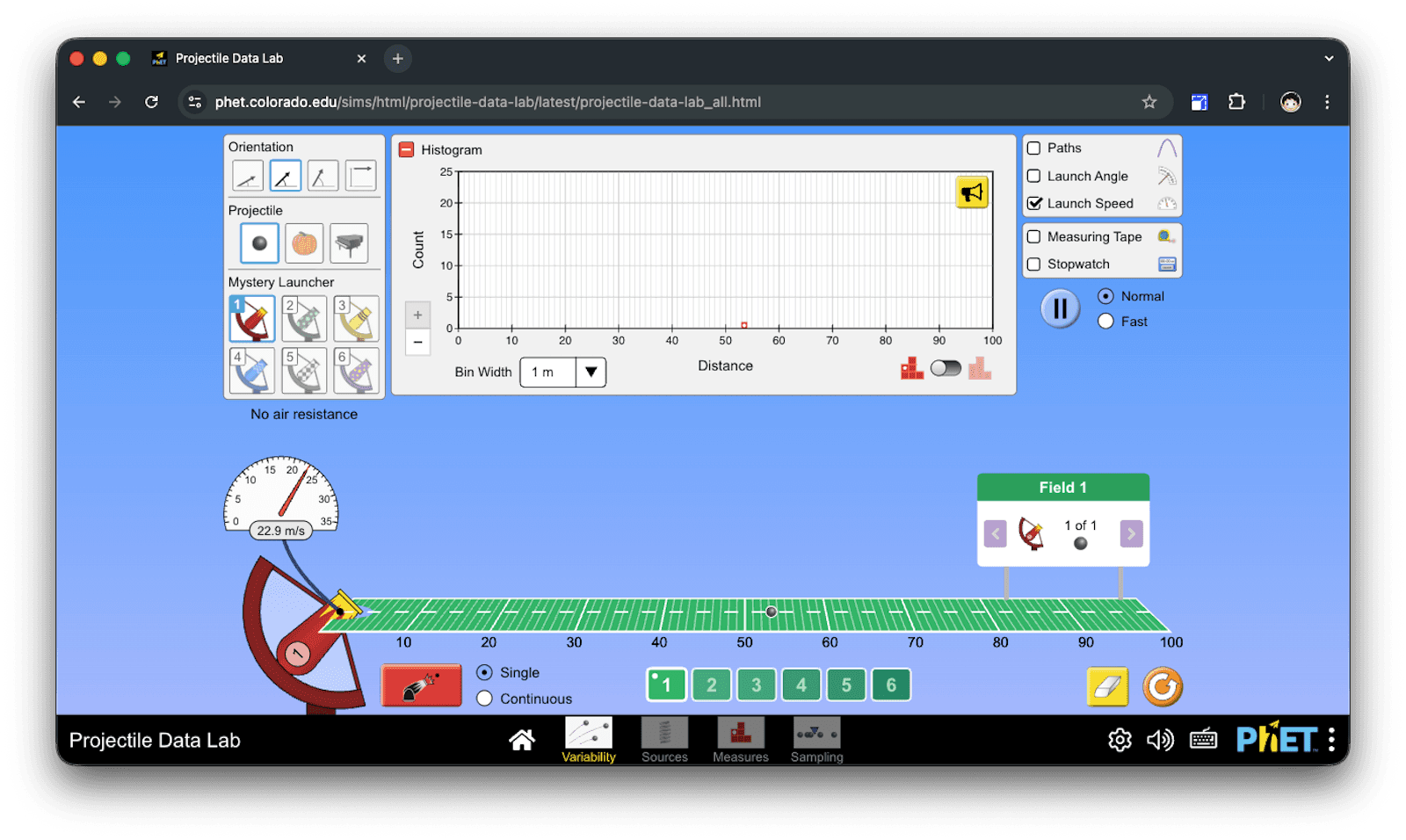
Image: Projectile Data Lab by PhET
What about simpler, contained content?
For polished, higher-interactivity content, tools like Storyline remain excellent. We love this example by Teresa Moreno at Learning Designerin:
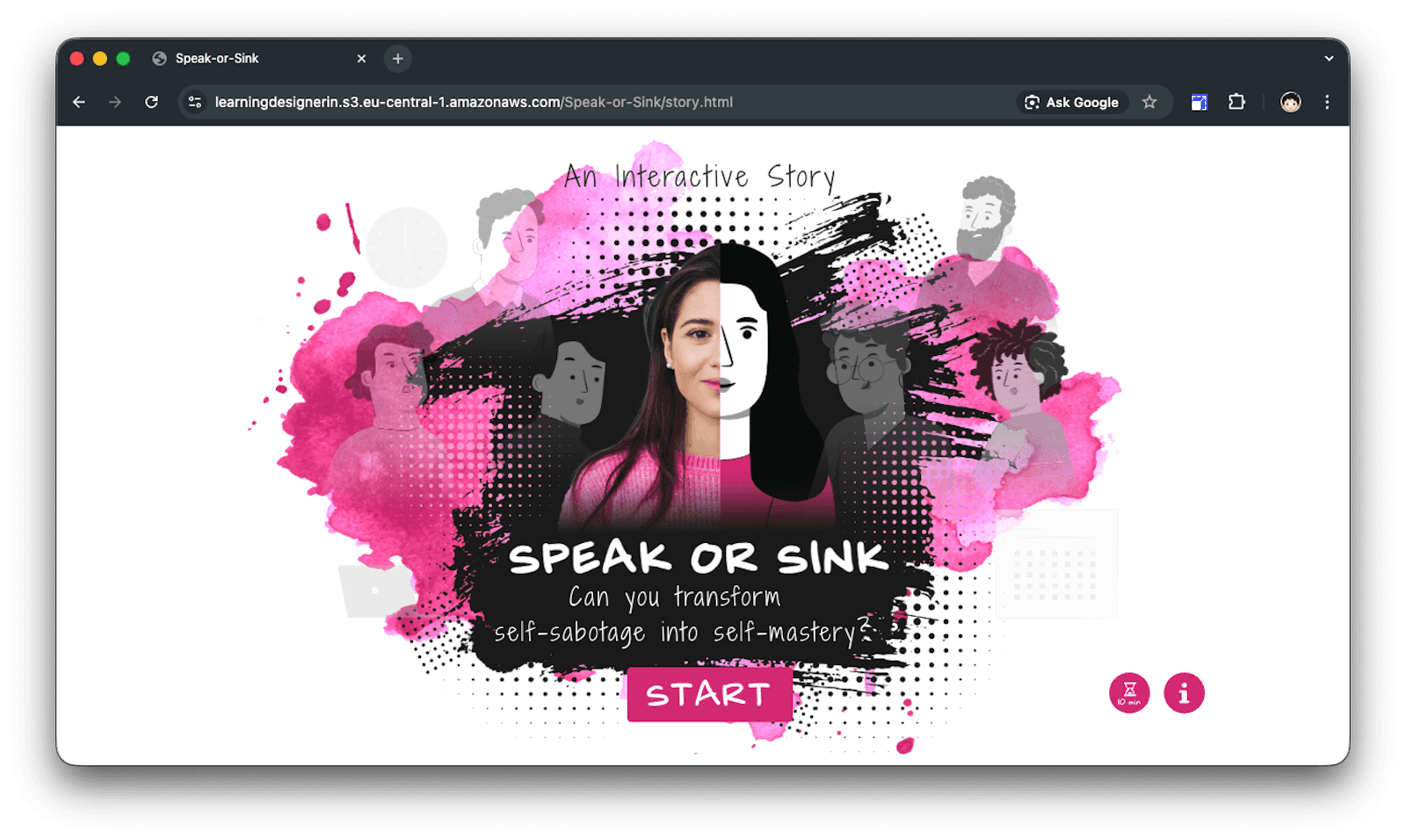
Image: Speak or Sink Articulate Storyline Example by Learning Designerin
For situations where compiling SCORM packages outside the LMS is too much overhead, we're still big fans of H5P. The H5P plugin for Moodle allows content creation right inside the course designer: no external tools, no export-import workflow, no additional licence fees. It handles Level 2 interactivity well, and for many use cases, that's exactly what's needed. It's one of the reasons we love Moodle as a platform.
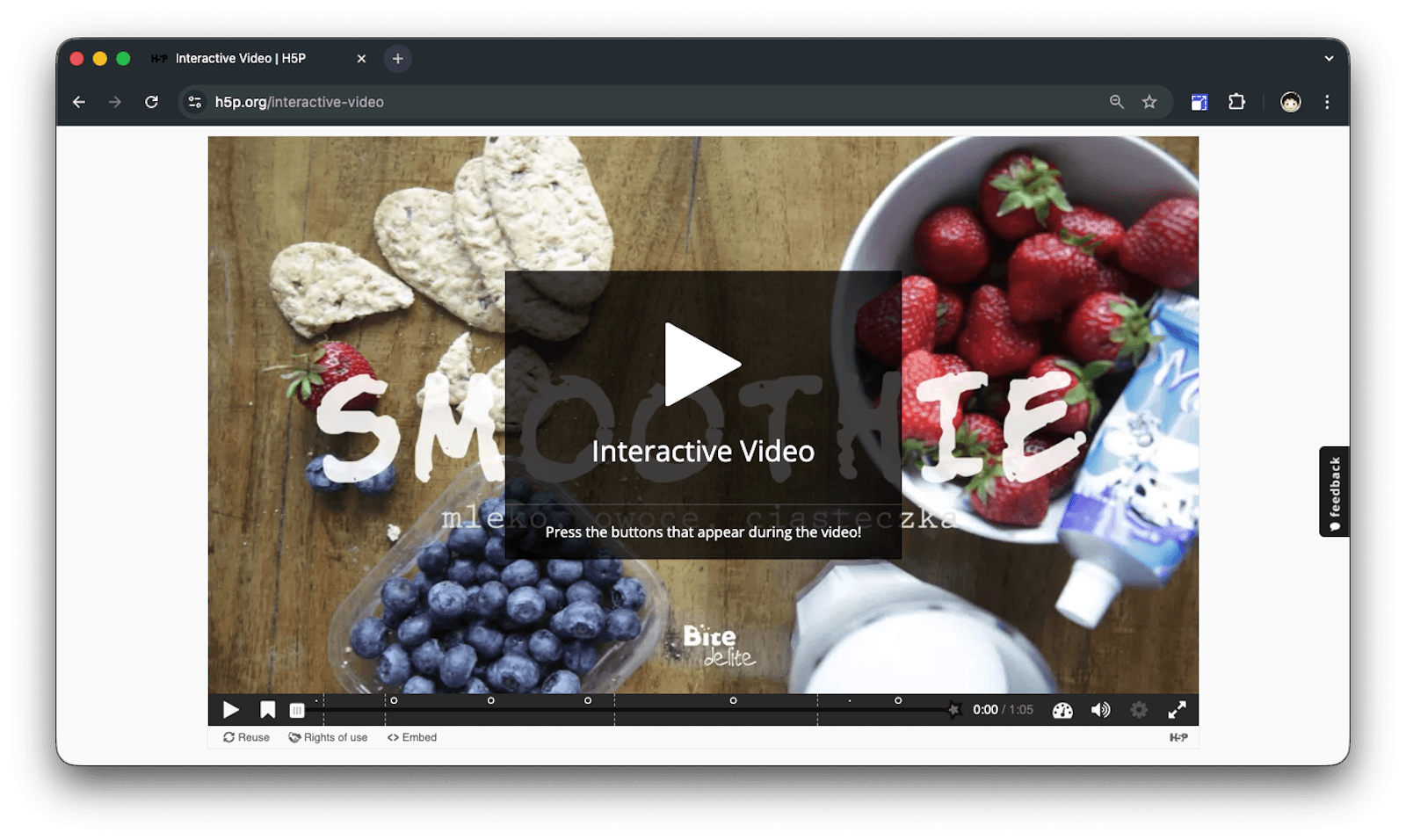
Image: H5P Interactive Video
The real question is about learning design, not tooling
Regardless of which tools you use, the quality of any interactive content asset comes down to the learning design: understanding the outcomes you're designing for, and putting the learner's experience first.
AI can generate the code. It can't replace the design thinking. And that's the real reason SCORM packages, and the expertise behind them, aren't going away anytime soon.
Share this article: LinkedIn | Email
Similar Blogs









Stay close to the thinking
Occasional notes on university delivery, governance, and how institutions create space to move faster.

No marketing emails. Just thoughtful updates when there’s something worth sharing.